Dementia activities at home for caregivers by stage and use
Choose dementia activities at home that bring calm and success, suited for each stage and easy for caregivers to adapt.
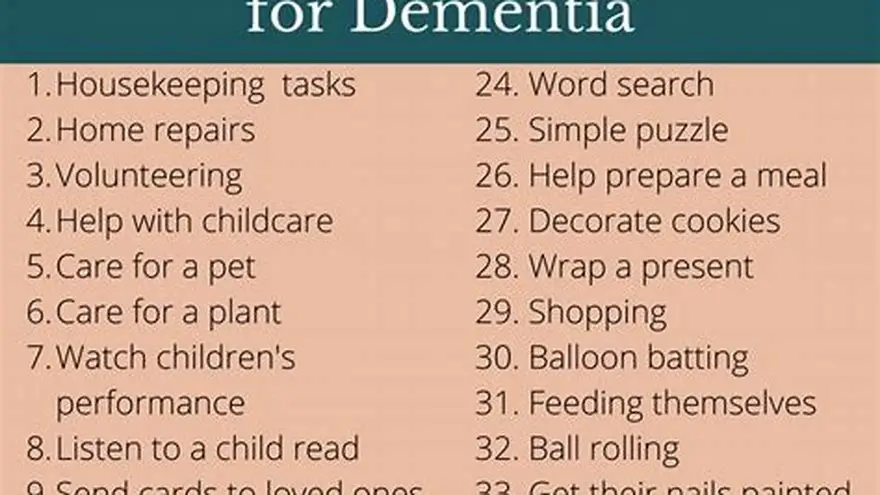
The best dementia activities at home for caregivers are those that match the dementia stage, reduce frustration, and promote calm success, such as large-print puzzles, easy crafts, and conversation cards.
On this page (8 sections)
- The short version
- Which activities fit early, middle, and late dementia stages
- How caregivers can adapt activities for home use
- Examples of gentle, easy-to-set-up activities
- Which dementia activities fit best at home for caregivers
- How to use the Gentle Minds Activity Kit at home
- Alternative free or manual methods to support dementia activities at home
- Questions people still ask
Part of our guide on calm engaging dementia puzzles
Find calm, success, and connection at home with dementia activities tailored to each stage and caregiver needs.
| Dementia stages | Early, Middle, Late |
|---|---|
| Activity difficulty levels | 3 levels |
| Printable pages | 130+ |
| Conversation cards | 48 cards |
| Activity type | Large-print, gentle |
| Caregiver guide | Included |
The short version
- Match activities to dementia stages: early, middle, late
- Adapt activities to reduce frustration and maintain engagement
- Use gentle, easy-to-set-up activities for better success
- Printable kits like Gentle Minds save preparation time
- Focus on calm, connection, and achievable tasks
Which activities fit early, middle, and late dementia stages
Early dementia allows for activities that stimulate thinking and memory without causing stress. Large-print word searches and crosswords with simple clues work well here, offering challenge without confusion.
In the middle stage, focus on activities with clear structure and lower difficulty. Sorting tasks, simple puzzles, and memory games with large, clear pieces help maintain engagement while minimizing frustration.
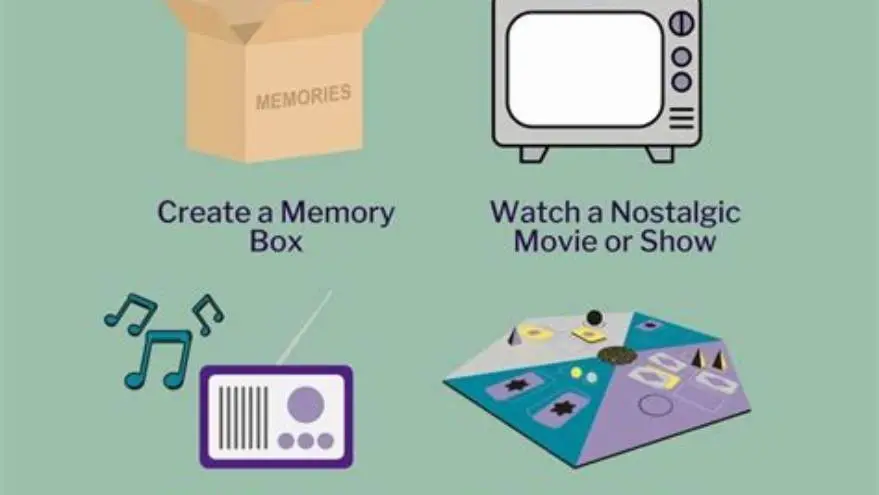
Late-stage dementia requires very gentle activities that offer sensory or emotional comfort. Simple tactile tasks, looking at photo albums, or listening to familiar music provide calm without demanding cognitive effort.
Activities that fit early dementia stage vary widely but should always avoid overwhelming detail or speed. For example, large-print crossword puzzles with no more than 10 clues can stimulate thinking without causing frustration. You might try one with 15 clues, but that could feel like too much. The key is to watch for signs of fatigue or irritation. Before you commit to anything, it is worth looking at success focused home dementia activities.
In the middle stage, consider breaking activities into shorter sessions. A sorting task might last 10 to 15 minutes instead of 30. Use objects like colored buttons or cards with clear, distinct images. The number of objects should be around 20 to 30 to prevent confusion. If the person becomes restless or distracted, pause and try again later.
Late-stage activities also benefit from involving the caregiver. For example, playing familiar music in the background while gently holding a soft fabric can provide sensory comfort. This combination can soothe agitation and promote connection. Check for calming signs like slower breathing or relaxed facial muscles to confirm the activity is helping.
| Activity Type | Early Stage | Middle Stage | Late Stage |
|---|---|---|---|
| Large-print puzzles | Good challenge | Simpler versions | Too difficult |
| Sorting tasks | Possible | Helpful | Not recommended |
| Conversation cards | Effective | Useful | Limited use |
| Sensory activities | Supportive | Important | Crucial |
| Music | Encouraged | Encouraged | Very beneficial |
How caregivers can adapt activities for home use
Adapting activities means adjusting difficulty, timing, and materials to the person’s current abilities and mood. Use large-print materials to reduce eye strain and confusion. Before you commit to anything, it is worth looking at age appropriate dementia activities.
Break down complex tasks into smaller steps. Allow extra time and offer help without taking over. This keeps the activity achievable and reduces frustration.
Create a quiet, well-lit environment free of distractions. Clear space for materials and have everything ready before starting. This reduces stress and helps the person focus.
Caregivers can adapt activities further by observing the environment and adjusting accordingly. For example, if the person is sensitive to noise, choose a quieter room or use noise-cancelling headphones. Lighting between 300 and 500 lux helps with visibility without glare. Avoid fluorescent lights that flicker, as they may cause discomfort. The other half of this decision is engaging loved ones successfully.
Timing matters too. Activities scheduled at consistent times, like mid-morning, can provide routine and predictability. If the person shows more alertness in the afternoon, shift activities then. Keep sessions short, around 15 to 20 minutes, to prevent fatigue.
Tools like timers or gentle alarms can remind you to pause or end an activity. This helps maintain structure and prevents pushing beyond the person’s limits. For instance, set a timer for 15 minutes, then offer a break or switch to a different task.
- Print activities in large clear fonts
- Simplify instructions into short phrases
- Use familiar themes and objects
- Prepare materials beforehand
Examples of gentle, easy-to-set-up activities
Word searches and crosswords in large print are quick to set up and can be reused. Choose themes that match interests or seasons to spark joy. Before you commit to anything, it is worth looking at playlist for sundowning hours.
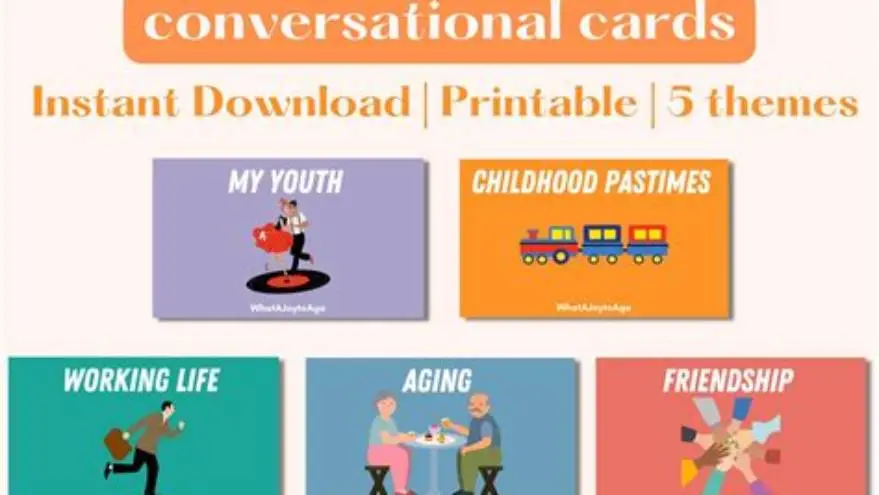
Conversation cards with simple questions or images invite storytelling and memory sharing without pressure. They encourage connection and calm.
Sorting tasks with colorful objects or cards let the person engage physically and mentally at their own pace. These require minimal setup and can be adapted easily.
Creating conversation cards is easier than it seems. Use simple images of everyday objects or places familiar to your loved one. For example, a picture of a teapot or a garden bench invites memories and stories. Print these on sturdy cardstock or laminate them for durability. For the detail, see our notes on conversation cards for dementia reminiscence.
Easy crafts like coloring large outlines require only crayons or markers and a flat surface. Choose pictures with bold lines and simple shapes, such as flowers or animals. Limit coloring sessions to 10 to 15 minutes to avoid fatigue. The finished page can offer a sense of accomplishment and a talking point.
Sorting tasks can also use household items such as buttons, socks, or plastic utensils. Sort by color, size, or type. For example, sorting 20 buttons into red, blue, and green piles takes under 20 minutes and involves both fine motor skills and thinking.
- Large-print word searches
- Conversation cards with images
- Simple sorting games
- Easy crafts like coloring large outlines
Which dementia activities fit best at home for caregivers
Activities that respect the person’s current cognition and avoid frustration work best at home. Large-print puzzles and activity kits designed for memory loss offer a good match.
The Gentle Minds Activity Kit provides printable activities at three difficulty levels. It includes conversation cards and daily planning pages, supporting caregivers to keep activities varied and calm.
This kit saves time because you don’t need to create materials yourself. It supports engagement for early to middle stages but is not medical therapy. It aims for enjoyment and connection instead.
- Tailored difficulty levels
- Printable and reusable
- Includes caregiver guide
- Promotes calm engagement
- Not a medical treatment
- Limited for very late-stage dementia
- Requires printer access
How to use the Gentle Minds Activity Kit at home
Start by selecting activities that match your loved one’s current stage of dementia. Use the caregiver guide to choose Gentle, Easy, or Steady activity sets accordingly.
Print only a few pages at a time to avoid overwhelming your loved one or yourself. Prepare conversation cards to encourage relaxed discussions during or after activities.
Set a regular activity time when distractions are minimal. Observe how your loved one responds and adjust pace or activity types. This keeps the experience positive and stress-free.
- Determine dementia stage and choose activity level
- Print selected activity pages and conversation cards
- Prepare a quiet, comfortable environment
- Engage your loved one patiently using the caregiver guide
- Adjust based on their mood and responses
Alternative free or manual methods to support dementia activities at home
You can create your own large-print word searches using free online tools that allow you to input familiar words. This helps with personalization but requires more time.
Making homemade sorting or matching games with household items is another option. Choose items with clear colors or shapes for easier handling.
Listening to favorite music, looking through photo albums, or simple art projects like coloring can be done without kits and still provide meaningful engagement.
These approaches require more caregiver creativity and preparation but cost nothing and can be tailored exactly to preferences.
- Use free large-print word search makers online
- Create sorting games from colored household objects
- Use photos, music, and crafts as sensory activities
Questions people still ask
Can activities really slow dementia progression?
No activity can cure or significantly slow dementia. They help maintain engagement, reduce agitation, and improve quality of life.
What if my loved one refuses to do activities?
Try a different time of day, simplify the activity, or switch to sensory or music-based tasks that feel less demanding.
How do I know which dementia stage my loved one is in?
Consult a healthcare professional for a diagnosis and stage assessment. Observe daily abilities and challenges to guide activity choice.
Can large-print puzzles be reused?
Yes, printable activities can be reused by printing new copies or laminating sheets for repeated use with dry-erase markers.
Are conversation cards helpful for late-stage dementia?
They may have limited use as cognitive decline progresses but can still provide comfort through familiar images or simple prompts.
Ready to try it? It delivers printable, stage-appropriate activities with conversation cards to ease caregiver workload and improve engagement at home.
Try Gentle Minds Kit