Early stage dementia activities at home: 4 gentle options
Activities for early stage dementia at home work best when they match remaining abilities, avoid time pressure, and feel familiar. Conversation cards, sorting tasks, music from their past, and simple household routines bring calm and success without the frustration of puzzles or memory games that highlight what's been lost.
On this page (8 sections)
Part of our guide on simple activities for dementia patients
Key figures
- Ideal session length
- 10 to 20 minutes
- Best time of day
- morning, when energy is highest
- Instruction steps
- one or two at most
- Memory load
- low; use recognition, not recall
- Success rate goal
- high; frustration ends engagement
Quick recap
- Choose activities that use skills still intact rather than testing memory directly
- Remove time pressure and complicated instructions that turn an activity into a test
- Familiar tasks from decades past often work better than new games or puzzles
- Short sessions of 10 to 20 minutes prevent fatigue and keep the experience positive
- Success matters more than challenge in early stage dementia activities
What makes an activity suitable for early stage dementia
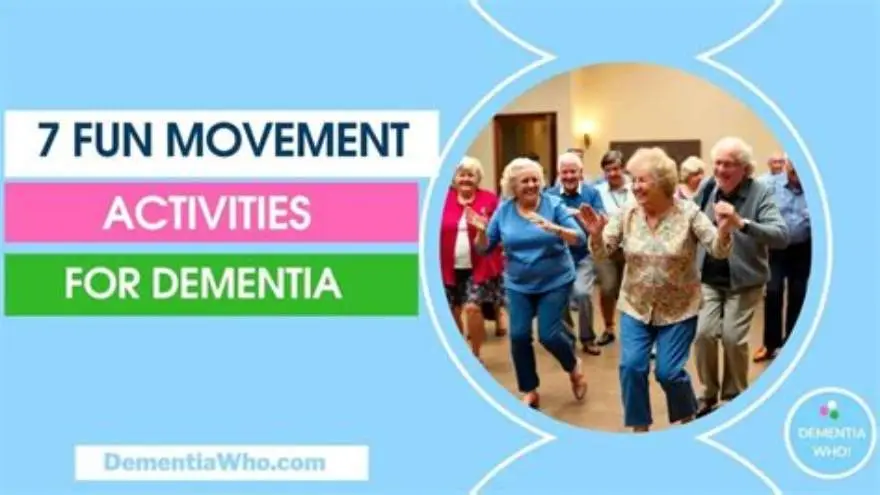
An activity works for early stage dementia when it uses abilities that are still strong rather than testing the ones that have started to fade. Recognition works when recall does not. Sorting photographs by decade, for instance, relies on visual memory and emotional response rather than retrieving names or dates on command. The person sees a face, feels the connection, and talks about what the picture brings up without needing to pass a test.
Time pressure ruins most activities. A crossword puzzle that would once have taken twenty minutes now feels impossible because the words do not come as quickly. The frustration of waiting for an answer that used to arrive instantly turns a pleasant pastime into a reminder of loss. Remove the clock and the sense of being judged, and the same person might enjoy sorting buttons by color or folding towels for half an hour.
Familiar tasks from decades past often succeed where new activities do not. A woman who has not cooked in five years might still fold napkins the way she did for forty dinner parties. A man who struggles with a smartphone might sand a piece of wood with confidence. The motor memory and the emotional comfort of something done thousands of times remain intact long after the ability to learn new routines has diminished.
The instruction must be simple enough to hold in working memory without writing it down or asking again. One step, maybe two. "Sort these cards into two piles" works. "Read each card, decide if it is a question or a statement, and put questions on the left unless they are about family, in which case put them in the middle pile" does not. Complexity creates confusion, and confusion ends the activity. People in this spot often ask about dementia activities that are not childish as well.
Conversation cards and memory prompts
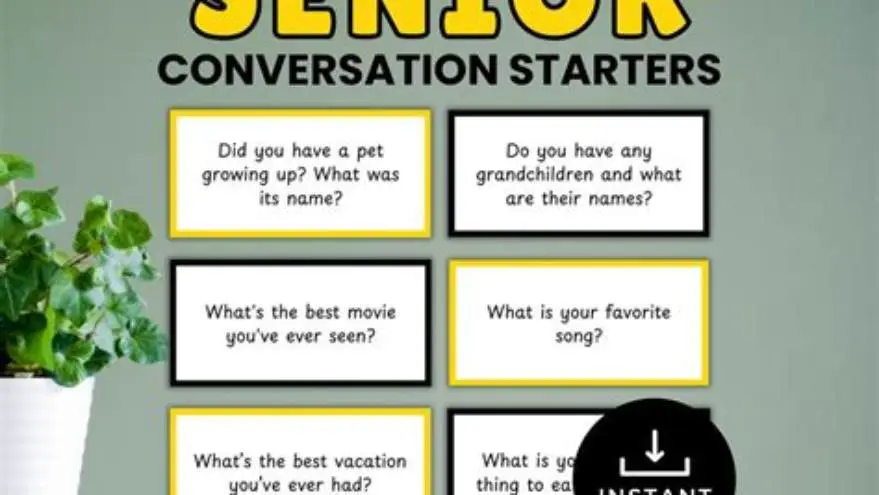
Conversation cards with open-ended prompts work because they ask for stories rather than facts. A card that says "Tell me about a pet you had" invites reminiscence without demanding the pet's name or the year it arrived. The person can talk about the feeling of a dog's fur or the sound of a cat purring without retrieving details that may no longer be accessible. The conversation flows from emotion and sensory memory, which stay vivid longer than episodic memory.
Questions about the distant past usually bring more success than questions about yesterday. A prompt like "What did your kitchen smell like when you were ten?" might unlock twenty minutes of stories about bread baking or coal stoves, while "What did you have for lunch today?" often produces silence and frustration. Long-term memory remains strong in early stage dementia, and the stories that come from it carry confidence and pleasure.
The Gentle Minds Activity Kit includes 48 conversation cards designed for adults with memory loss, along with activities at three levels of difficulty. We made it to give families and caregivers printable materials that feel age-appropriate and respectful rather than childish. The cards use large print and simple prompts, and the kit includes a caregiver guide that explains how to use them without turning conversation into an interrogation. It does not restore memory or treat dementia, but it does provide a practical way to structure time together without the trial-and-error of inventing prompts from scratch. The other half of this decision is activities respecting early stage skills.
Photographs and objects work as physical conversation starters when words alone do not. A box of old postcards, a tray of buttons, or a basket of fabric scraps gives the hands something to do while the mind wanders through associations. The person might not remember a trip to the coast, but holding a shell can start a story about the smell of salt air or the feeling of cold water. The object anchors the conversation and removes the pressure to perform.
Sorting tasks and simple organizing
Sorting gives the hands work and the mind a clear purpose without demanding memory or speed. Sorting buttons by size or color, folding laundry, or organizing a drawer of kitchen utensils can occupy twenty minutes and produce a visible result. The task feels useful rather than therapeutic, and finishing it brings the satisfaction of accomplishment. There is no wrong answer, no timer, and no risk of failure.
The key is choosing materials that are safe and pleasant to handle. Buttons, fabric swatches, smooth stones, or wooden spools work well. Avoid small objects that could be swallowed or sharp tools that require supervision. The sorting does not need to follow a logical system; if someone wants to group red buttons with small blue ones because they "go together," that is fine. The point is engagement, not correctness. People in this spot often ask about reducing frustration with home activities as well.
Matching tasks work for the same reason. Pairing socks, matching lids to containers, or laying out cutlery for a table uses recognition and pattern-finding skills that stay strong. These tasks have been done thousands of times, so the body remembers even when the mind does not. The rhythm is soothing, and the outcome is predictable.
If you notice the person returning to the same drawer or cupboard to rearrange it, that repetition is not a problem to fix. It is a sign that the activity brings comfort. As long as it is safe, let it continue. The repetition meets a need for order and purpose, and interrupting it can cause distress.
Music and familiar songs from their past
Music from someone's teens and twenties often brings immediate recognition and pleasure. A song from 1955 might prompt singing along, foot tapping, or stories about a dance hall or a first date, even when the person cannot remember breakfast. Musical memory is stored differently from other kinds of memory and remains accessible longer. The melody and lyrics return intact, and the emotional charge that came with them returns too. The other half of this decision is dementia activities for seniors.
The music must be familiar, not new. A playlist of current hits will not do what a recording of Perry Como or Patsy Cline does. The songs need to be the ones played on the radio when the person was young, the ones sung at church or played at weddings. Spotify and YouTube have playlists organized by decade, and many libraries lend CDs. A small Bluetooth speaker and a phone loaded with a dozen well-chosen songs can fill an afternoon.
Singing or humming along is the activity; passive listening works too. Some people will want to sing every word, others will simply nod or smile, and both responses are success. Do not force participation. Sit nearby, listen together, and follow the person's lead. If a song brings sadness rather than joy, skip it next time. The goal is comfort, not catharsis.
Rhythm instruments like shakers or tambourines add a physical element without requiring skill. Tapping along to a familiar song gives the hands something to do and reinforces the beat. It does not matter if the rhythm is accurate. The movement and the sound are enough. We cover conversation starters for people with dementia in its own article.
Familiar household tasks and routines
A task someone did for forty or fifty years often remains possible long after new skills have become unreachable. Folding laundry, setting a table, sweeping a porch, or wiping down counters can be done with confidence because the movements are automatic. The person does not need to remember how to do it; the body remembers. The task feels normal and useful rather than invented for therapy.
The trick is setting up the task so it cannot go wrong. If someone is folding towels, give them a basket of clean towels and a clear table, and let them fold. Do not interrupt to correct the method or re-fold after they finish. If they set the table with the fork on the wrong side, leave it. The purpose is engagement and the feeling of contribution, not a perfectly set table. Correcting the work destroys the satisfaction.
Simple baking tasks work for some people. Stirring batter, rolling dough, or decorating cookies with icing uses motor skills and produces something tangible. The smell of baking is a powerful trigger for positive memories, and the act of making something to share brings purpose. Keep the recipe to two or three steps, and do the measuring and timing yourself. Let the person do the mixing and shaping.
Avoid tasks with obvious hazards unless you are standing beside the person. Sharp knives, hot stoves, and power tools require judgment that may no longer be reliable. A person who once built furniture might still enjoy sanding a board with fine-grit sandpaper, but they should not operate a table saw. Safety comes first, always, but that does not mean stripping away every meaningful activity. It means choosing the parts of the task that remain safe and satisfying.
How to adapt activities to reduce frustration
Frustration comes from mismatch, not from dementia itself. An activity that is too hard, too fast, or too new will fail regardless of how well-meaning it is. The adaptation is not about dumbing down the task; it is about matching it to the abilities that remain strong. If someone can no longer read small print, give them large print. If they lose track of multi-step instructions, break the task into single steps and give one at a time.
Remove choices that do not matter. Instead of asking "Do you want to sort buttons or fold towels or look at photographs?", set out one activity and begin it together. Too many options create decision fatigue and anxiety. Once the activity is underway, the person will either engage or signal that it is not working. If they push the materials away or stand up, stop. Try something else later, or just sit together without an agenda.
Shorten the session before fatigue arrives. Ten to twenty minutes is often the sweet spot. A session that ends while the person is still enjoying it leaves a positive memory and makes them more likely to want to try again tomorrow. A session that drags on until they are tired and irritable teaches them that activities are unpleasant. Watch for signs of restlessness or confusion, and wrap up before those signs become distress.
Adapt the environment as much as the activity. A quiet room with good light and no television in the background makes it easier to focus. A cluttered table with five different tasks spread out creates confusion. Set out only what is needed for the current activity, and put the rest away. Simplicity in the space supports simplicity in the task.
- One step at a time: give the next instruction only after the first one is complete
- Large print and high contrast: use materials that are easy to see without squinting
- Familiar objects: choose tools and materials the person has used before
- No time limit: let the activity take as long as it takes, or stop early if it is not working
Still wondering?
How do I know if an activity is too hard for someone with early stage dementia?
Watch for signs of frustration: repeatedly asking what to do next, pushing materials away, or becoming quiet and withdrawn. If someone cannot start the activity without multiple prompts or stops midway through, it is too complex. Try a simpler version or a different activity altogether. Success and engagement matter more than challenge.
Can someone with early stage dementia still do puzzles or word games?
Some can, but many find them frustrating because the answers do not come as quickly as they once did. If puzzles were a lifelong hobby, try large-print versions with easier clues, and remove the time pressure entirely. If the person shows signs of distress or stops enjoying them, switch to activities that use recognition rather than recall, like sorting or conversation.
What time of day works best for activities?
Morning is usually best, when energy and focus are highest. Late afternoon and evening often bring increased confusion and fatigue, sometimes called sundowning. If you notice that activities go better before lunch, plan them for that window and keep evenings calm and unstructured.
Should I correct mistakes during an activity?
No. Correcting turns the activity into a test and destroys the sense of success. If someone folds a towel unevenly or sorts buttons in a way that makes no sense to you, leave it. The goal is engagement and calm, not a correct outcome. Praise the effort and the time spent together.
How do these activities support cognitive and emotional well-being?
Activities that match remaining abilities reduce anxiety and frustration by providing structure and purpose without the risk of failure. Familiar tasks and music trigger positive memories and emotions, which support mood and connection. Regular engagement prevents boredom and isolation, both of which accelerate cognitive decline. The activities do not restore lost function, but they protect well-being by focusing on what still works.
Ready to try it? It provides ready-made conversation cards and activities designed specifically for adults with memory loss, removing the guesswork from planning each day.
See the activity kit