Which 3 dementia activities at home best fit early, mid, or late stages
Choosing dementia activities depends on the stage: early stage suits large-print puzzles and memory games, mid stage benefits from simpler sorting and crafting, and late stage requires sensory and passive activities. Caregivers should select gentle activities that foster calm and success.
On this page (8 sections)
- Quick recap
- How to identify dementia stage for activity choice
- Examples of 3 gentle activities per stage
- Tips for caregivers to adapt activities easily
- How to recognize when to stop or switch activities
- Dementia activities at home for caregivers: practical steps and tools
- Which 3 dementia activities at home best fit early, mid, or late stages
- Still wondering?
Part of our guide on activities for dementia patients simple
Key figures
- Activity levels
- 3 stages
- Kit pages
- 130+
- Conversation cards
- 48 included
- Printable formats
- US Letter and A4
- Puzzle types
- word searches, sudoku, mazes
Quick recap
- Match activities to dementia stage for best engagement.
- Use large-print, easy puzzles early on to encourage participation.
- Mid stage activities should be simple, tactile, and goal-oriented.
- Late stage requires sensory-based, passive activities to avoid frustration.
- Knowing when to switch activities prevents agitation and aids connection.
How to identify dementia stage for activity choice
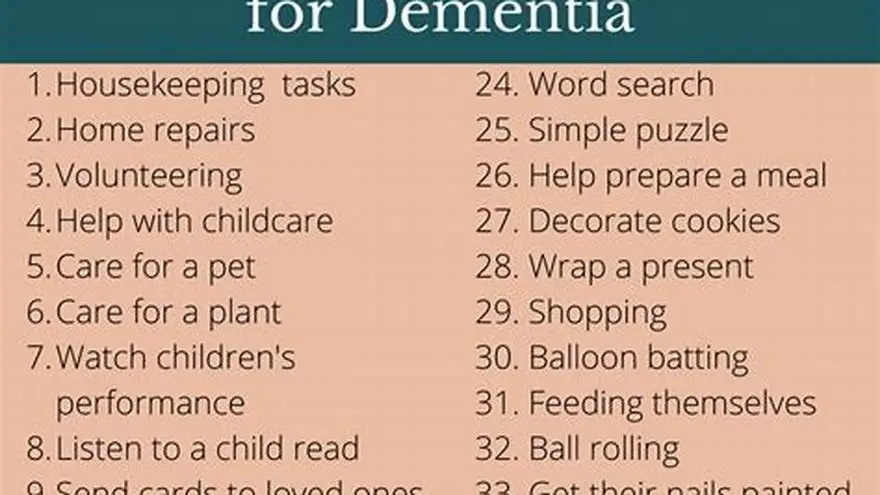
Dementia stages generally divide into early, mid, and late based on cognitive and functional ability. Early stage usually involves mild memory loss but retains independence in daily tasks. Mid stage brings more noticeable memory lapses and difficulties with planning or sequencing. Late stage sees severe cognitive decline, limited communication, and physical frailty.
Caregivers can track key symptoms to determine the stage: ability to follow multi-step instructions, recall recent events, and engage socially. For example, if your loved one can complete large-print puzzles and engage in simple memory games, they are likely in early stage. If they struggle with those but respond to hands-on tasks, mid stage fits. Late stage may require entirely passive, sensory-focused activities.
Recognizing the stage helps avoid frustration. Choosing activities too complex causes anxiety, while too simple tasks can feel infantilizing. Balance is key to maintaining calm and success during activities.
- clarifies activity suitability
- reduces caregiver guesswork
- supports personalized engagement
- stages can overlap
- individual variations complicate diagnosis
- requires ongoing observation
Examples of 3 gentle activities per stage
Each dementia stage benefits from distinct activity types that respect abilities and promote calmness. Here are three examples per stage that caregivers commonly find effective. People in this spot often ask about activities for dementia caregivers at home as well.
In early stage, large-print word searches, easy sudoku puzzles, and conversation card games work well. These activities encourage mental stimulation while being accessible. Caregivers report these foster meaningful interaction without causing frustration.
Mid stage activities shift towards simpler sorting tasks, large-piece jigsaw puzzles, and crafting with tactile materials like felt or clay. These focus on hands-on success and sensory input, often triggering positive memories and maintaining focus longer.
In late stage, sensory activities such as listening to familiar music, gentle hand massages or using textured objects, and watching nature videos are recommended. These create comfort and engagement without requiring active participation, which suits limited cognitive ability. The other half of this decision is activities respecting early stage skills.
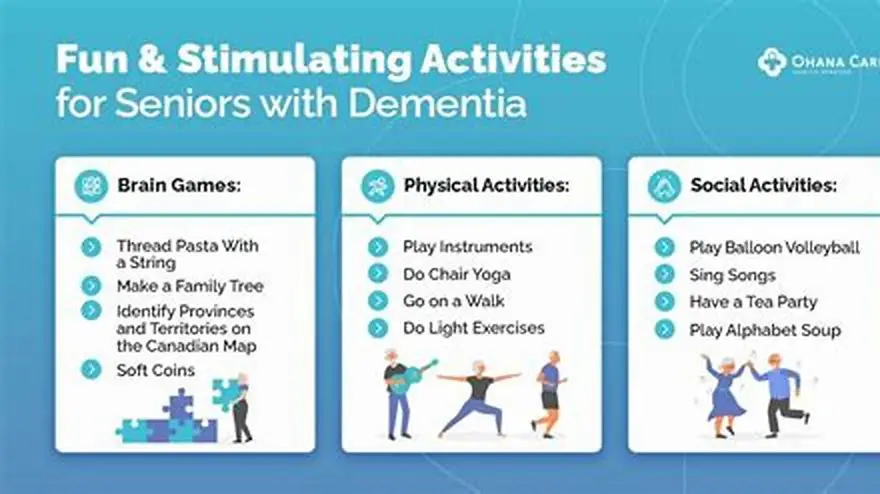
- Early stage: large-print puzzles, simple memory games, conversation cards
- Mid stage: sorting activities, large-piece puzzles, tactile crafts
- Late stage: sensory music, gentle massage, familiar visual stimuli
- activities align with abilities
- reduce frustration risk
- encourage calm and engagement
- mid to late stage overlap can confuse choices
- some activities need caregiver support
- adaptations may be necessary for vision or mobility limitations
Tips for caregivers to adapt activities easily
Adapting activities prevents frustration and fosters success. Start by simplifying instructions and breaking tasks into clear, single steps. For example, instead of asking to complete a whole puzzle, suggest fitting a few pieces at a time.
Use large print and bold colors to aid visibility. Modify activity length based on attention span; short sessions usually 10 to 20 minutes work best. Allow breaks if signs of fatigue appear.
Be flexible and patient. Offer encouragement and celebrate small achievements. If an activity causes agitation, pause or switch to a different one. Simple adaptations, such as providing fixed-choice answers or using tactile cues, make a big difference. The other half of this decision is age appropriate activities for adults with dementia.
- Simplify instructions: single, clear steps
- Use large print and bold colors
- Limit activity duration to 10-20 minutes
- Allow breaks and switch when needed
- Celebrate small successes
How to recognize when to stop or switch activities
Stopping or switching activities is critical to maintaining calm and positive engagement. Signs to watch for include increased agitation, confusion, restlessness, or withdrawal.
If your loved one repeatedly struggles with a task, loses interest, or becomes upset, it’s time to change activities. Gentle redirection to a sensory or passive activity can restore comfort.
Observe body language and verbal cues. Sometimes simply changing the activity pace or offering assistance is enough. Switching early prevents distress and preserves a positive caregiving experience.
- Watch for agitation or frustration
- Notice loss of interest or withdrawal
- Redirect gently to a simpler or sensory task
- Use verbal and nonverbal cues to decide
- Pause activities if signs worsen
Dementia activities at home for caregivers: practical steps and tools
Preparing dementia activities at home involves selecting materials that respect abilities and provide variety. Printable large-print puzzles and activity kits save time and reduce frustration by offering ready-made, gentle tasks.
The Gentle Minds Activity Kit is designed specifically for adults living with memory loss. It offers over 130 printable pages at three difficulty levels: Gentle, Easy, and Steady. This kit helps caregivers quickly find activities matched to dementia stages, complete with conversation cards and a caregiver guide.
Using such a kit prevents the common problem of running out of suitable activities. Caregivers can print new sheets as needed for repeated use. However, this kit is not a medical treatment and does not guarantee cognitive improvement. Before you commit to anything, it is worth looking at activity ideas for dementia patients.
Alternatively, free large-print word search makers let caregivers create custom puzzles with personalized words. This method requires more preparation but offers full control over content, often allowing inclusion of meaningful topics for the person with dementia.
Caregivers balancing time and engagement can choose based on their needs: kits for convenience and variety, or free tools for customization. Both support keeping activities gentle and successful.
| Method | Ease of Use | Customization | Cost | Suitability |
|---|---|---|---|---|
| Gentle Minds Activity Kit | High — ready-made, printable | Moderate — staged difficulty | One-time payment | Strong fit for dementia stages |
| Free Large Print Word Search Maker | Moderate — requires input | High — personalized words | Free | Good for custom themes |
- ready-to-use materials
- stage-appropriate levels
- includes caregiver guide
- not a therapy tool
- requires printing resources
- some setup time needed
Which 3 dementia activities at home best fit early, mid, or late stages
The best dementia activities at home depend on the stage and caregiver’s ability to adapt. Early stage benefits from stimulating but manageable activities like large-print puzzles and memory games. Mid stage calls for hands-on, goal-friendly tasks such as sorting and crafting. Late stage requires sensory and passive experiences like music or gentle touch.
Selecting activities that bring calm, not frustration, prevents distress and promotes connection. The Gentle Minds Activity Kit offers printable options for all three stages, helping caregivers tailor activities to abilities and moods.
Caregivers should continually observe responses and switch activities when signs of fatigue or agitation appear. Keeping activities simple, meaningful, and flexible supports both the person with dementia and the caregiver’s peace of mind.
Still wondering?
How can I tell which dementia stage my loved one is in for choosing activities?
Observe their ability to complete tasks, follow instructions, and communicate. Early stage shows mild memory loss with independence, mid stage struggles with planning, and late stage has severe cognitive and physical decline.
What are some easy activities for someone in mid-stage dementia?
Sorting objects, large-piece puzzles, and tactile crafts work well in mid stage. These keep hands busy and minds engaged without overwhelming complexity.
How do I know when to stop an activity with a dementia patient?
Signs include agitation, confusion, restlessness, or withdrawal. When these appear, pause or switch to a calming sensory activity to avoid distress.
Can printable activity kits replace therapy for dementia?
No, they provide engagement and enjoyment but do not replace medical treatment or therapy. They help maintain calm and connection during caregiving.
Are there free tools to create dementia-friendly puzzles at home?
Yes, free large-print word search makers let you customize puzzles with personal words, which can be meaningful and engaging.
Ready to try it? It provides printable, stage-appropriate activities tailored for dementia caregiving, saving time and avoiding frustration.
Explore gentle dementia activities